Report of the Spanish Natural Stone industry 2011
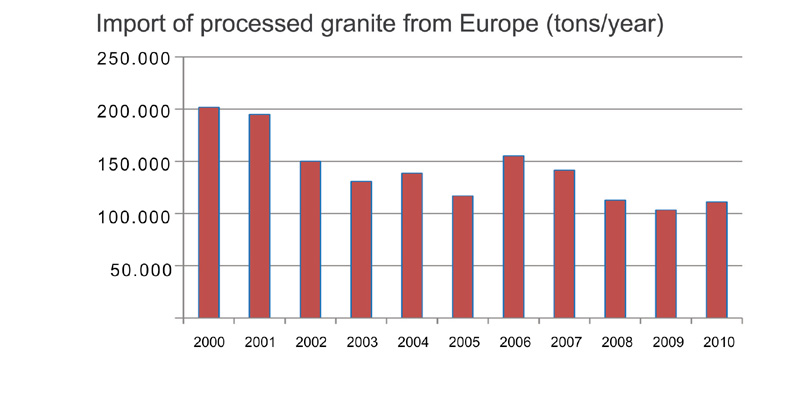
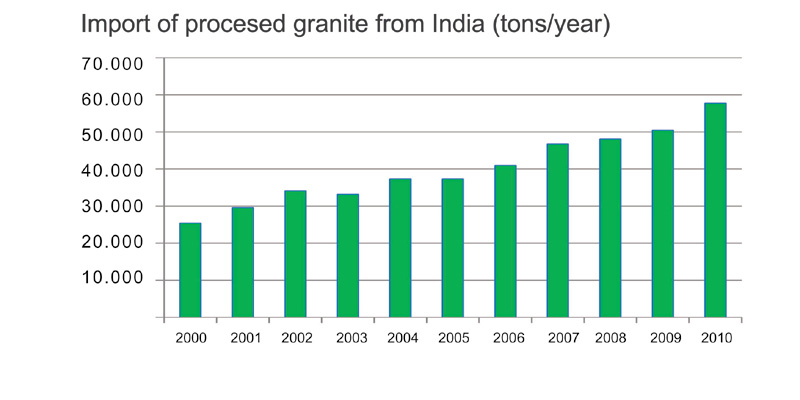
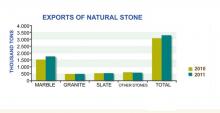
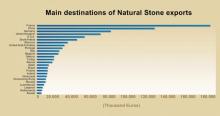
The foreign markets are providing the saving grace for the Spanish stone industry since the local market showed no sign of recovery.
Exports: Global data
The foreign markets are providing the saving grace for the Spanish stone industry since the local market showed no sign of recovery.
Exports: Global data
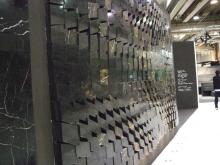
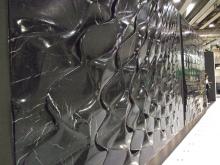
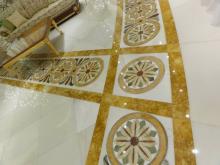
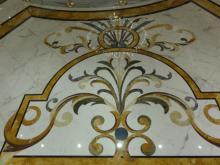
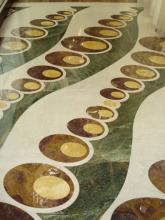
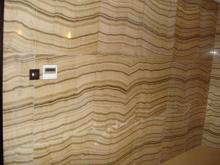
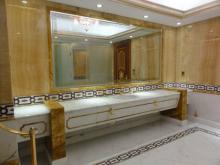
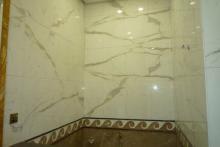
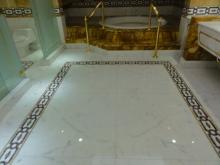
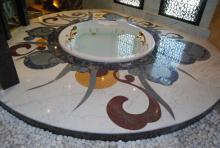
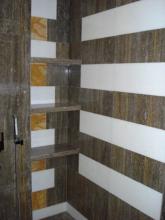
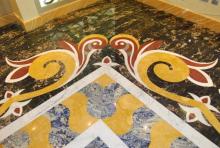
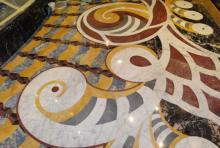
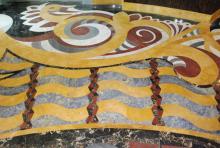
An image is worth a thousand words, they say. The photos published here are of a luxurious private residence done by the marble and granite division of our company, ASCON. We can do the most complex projects in any part of the world.
For more information contact www.asconmarbles.com
Email ascmble@emirates.net.ae
In UK, contact haz@hazuk.co.uk
Shipping costs for natural Stone are a significant factor in the industry and are closely monitored by the exporting and importing companies. We publish below the latest, approximate shipping costs for closed 20´DV container for some of the most common origins and destinations.
We hope to update this section frequently.
Our thanks to Susie Su, Xoan Martínez, Varujan Ozberg, Dr. Gopal, Aya Alaa and the company TFA Cargo for the information provided.
The Spaniards who reached the New World around end of the XV century or towards the beginning of the XVI century, guided by Christopher Columbus, used for the buildings of their new settlements and the main social buildings, a limestone denominated Coral Stone, which, even today, can be found in abundance in the Dominican Republic and Colombia.
This stone was formed in the riverbeds in the period Pleistocene, starting from the fossils, corals and other marine animals, thus the majority of the coral limestone has originated in the reefs.
By Geert Legein, Director Febenat (Belgium National Stone Association)
De gustibus et coloribus non disputandum est. A Latin proverb, know by many, and still forming the basis for discussions. Fact is you cannot really discuss colour and taste. Why is this still a subject leading to impossible discussions?
Choosing is part of being human
Jeffrey Matthews is a well known professional with 38 years of experience in the natural stone industry. An independent consultant he has managed more than 100 important architectural/construction support programs. He has been President of the Marble Institute of America. This interview was done on May 2012.
He can be contacted at stonetrade@bellsouth.net.
It is a lovely morning outside (or evening, or night)! A time to be sitting outside in the garden, with family, friends, or neighbors, enjoying a meal or just passing the time. Those memorable moments of life.
Sitting, where? Just look at these irresistible tables and chairs and benches made of natural stone!
In 2011 Italy exported over four million tons of marble, granite, travertine and other stones, including finished products and raw materials as well as chips and powders, thereby showing a decrease of 3.22% in terms of quantity, yet with an overall value of over 1.6 billion Euros there was an increase in overall value of 4.26%.
According to the study realized by Cid Chiodi Filho for the Brazilian association ABIROCHAS and released in the first months of 2012, the exports of the country of ornamental rocks were almost US$ 1 billion in 2011, out of which 75% consisted of processed stone and the remaining were rough blocks. This figure was 4% higher compared to 2010, though in physical volume there was a slight reduction of 2.25%. The following tables highlight the most significant aspects of the Brazilian industry.
In many cases the detergents are responsible for the loss of shine and some deterioration in the surface of the stones. This is the result of formation of salts inside the small pores which are in the stones.
The abundance of chemical compounds which permit that every detergent cleans more or cleans better, is responsible for dirtying from inside the pores of the stones with salts that when dissolved in water, enter easily but remain there when the water evaporates, because the salts do not evaporate.